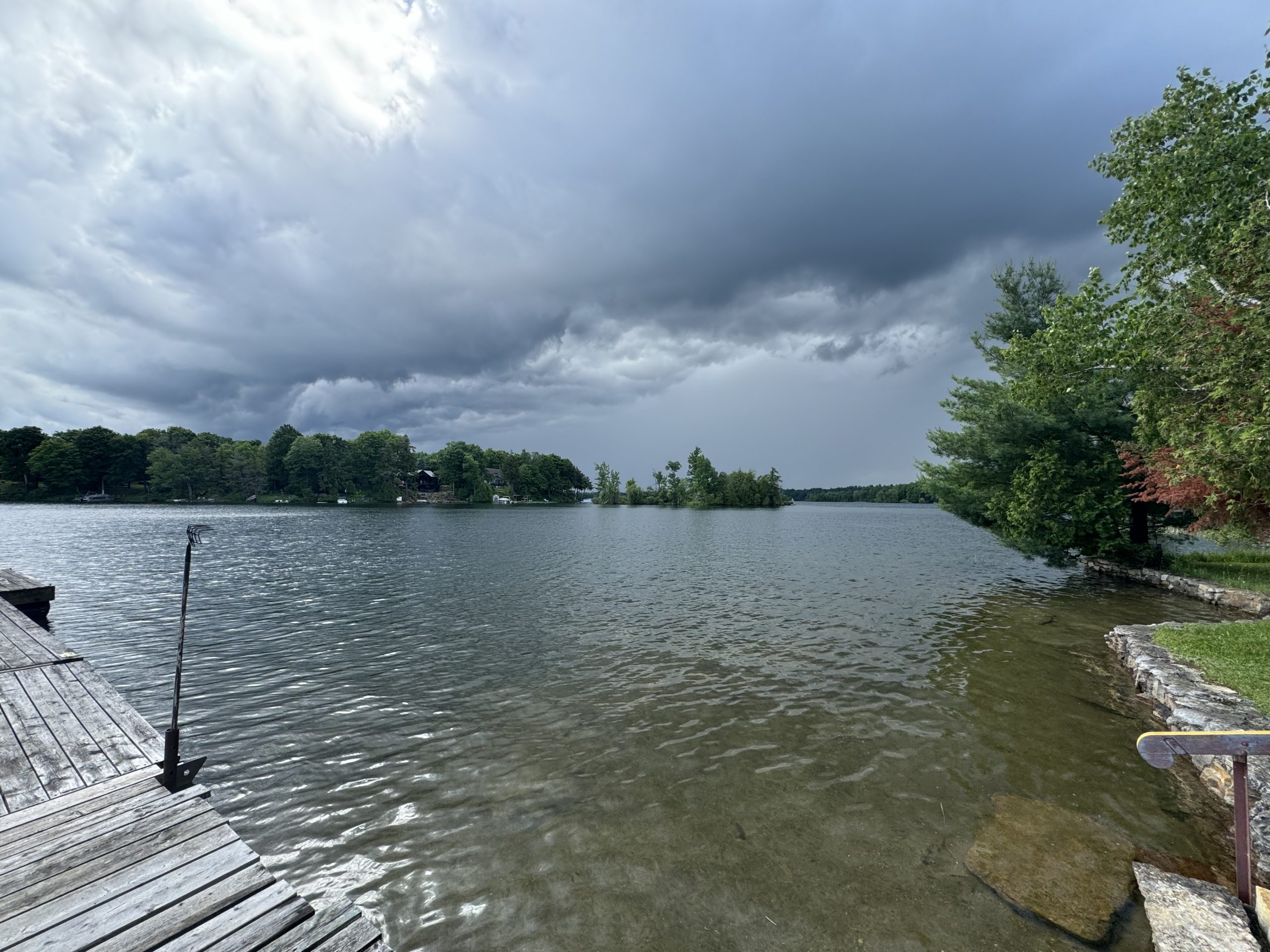

You're sitting in your Ottawa/Toronto kitchen on a Tuesday evening when the radar shows a severe thunderstorm cell tracking directly over the Big Rideau Lake. By midnight, it's gone. Your phone has been quiet the whole time, which tells you nothing. Your cottage is three hours away, and the next time you planned to be there is three weeks from now. What you do in the next 24 hours determines whether a damaged soffit stays a minor repair or becomes a major, costly mold remediation job, and that urgency is exactly why a cottage property storm check should be the first thing on your list when severe weather passes.
Remote cottage ownership is manageable right up until a storm hits. Then every hour of inaction costs you something. The owners who come through what is turning into a more typical storm season with minimal damage, smooth insurance claims, and no ugly surprises are the ones who had a plan in place before the first cloud rolled in. This guide gives you that plan: how to read Canadian weather alerts correctly, what to check and document right after the storm, and how to build a local response network that activates without you having to make the drive every time a cell blows through.
How to Read Canadian Storm Alerts for a Property You Can't Physically See
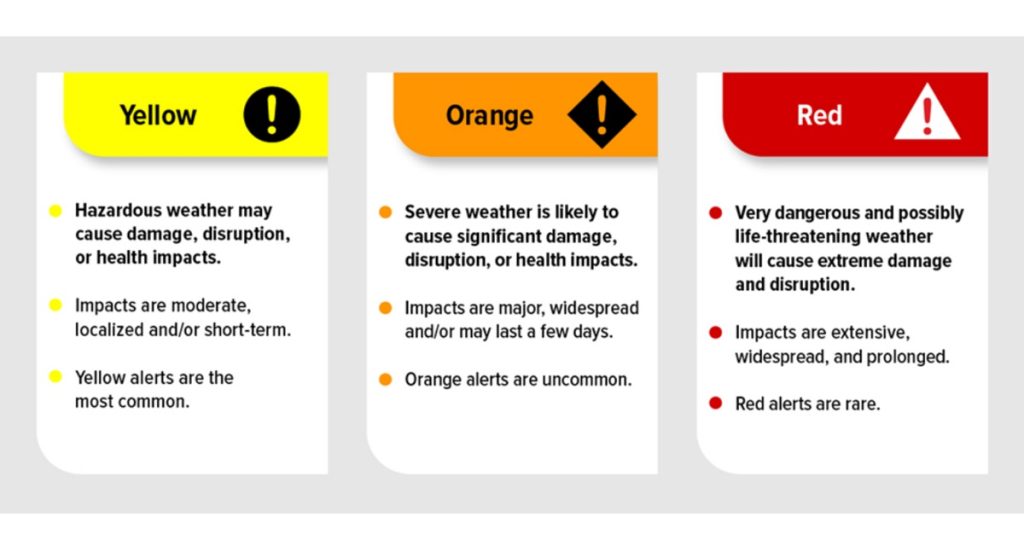
Environment Canada uses a three-colour alert system: yellow, orange, and red. Yellow signals that hazardous weather may cause moderate, localized disruption. Orange means significant damage is likely, impacts will be widespread, and conditions may last several days. Red indicates very dangerous, potentially life-threatening weather with extensive and prolonged damage. For a vacation property, yellow is your cue to prepare; orange means someone needs to be ready to act; red means assume serious damage until you know otherwise.
The colour alone doesn't tell you enough. You need to read the full alert text because the same colour can apply to a short wind gust or a sustained ice storm, and the recommended actions are completely different. The alert categories that matter most for cottage country are wind warnings, heavy rainfall, thunderstorms, freezing rain, and winter storms. Each one creates a distinct damage profile, and knowing which type is forecasted tells you which parts of your property are at highest risk.
Warnings and watches operate differently and require different responses. A watch means conditions are developing that could produce severe weather; for a seasonal property, a watch is your signal to contact your local caretaker or trusted neighbor before the storm arrives. A warning means the hazard is imminent or already occurring. For waterfront properties, marine warnings are issued through a completely separate single-tier system, not the colour-coded land-based one, so you need to monitor both channels if your cottage sits on open water.
Set up Environment Canada email or app alerts for your property's specific region at the start of each season. Bookmark the weather warnings map and keep your emergency contact list current. This seasonal setup matters especially for absentee owners who can't check conditions on the fly, having alerts configured before the first major storm means you're never caught without information when it counts most.
Vacation Property Storm Check: Your First Moves as a Remote Owner
The moment the storm clears, your first call is not to your insurer. It's to whoever has eyes near your property. A trusted neighbor or local friend is your first option. A professional caretaking service is your most reliable one. The window between when a storm passes and when secondary damage sets in is short. A roof breach left unaddressed for several days behaves very differently than one that gets tarped the same day, quicker mitigation materially reduces the risk of secondary damage spreading through the structure.
Post-storm property checks with same-day photo reports sent directly to your inbox give you a documented assessment within hours of the storm clearing. You get timestamped images of every concern, before any damage has time to worsen and before you've made any decisions about driving up. That report also becomes the foundation of your insurance claim. Professional caretaking services can provide exactly this kind of same-day documentation, the kind insurers find most useful when processing storm claims.
If your local contact is doing the initial check, give them a short verbal checklist: the roofline and visible structural elements from the outside, windows and doors, any downed trees or limbs near the building, the dock condition, and any watercraft. A photo of each concern with a timestamp is all you need from this first pass. Contractor calls, repair prioritization, and the insurance file all flow from that documentation.
Smart cameras, water leak sensors, and cellular temperature monitors add a useful first layer of remote data, but they have clear limits during power outages. Cellular-based monitors tend to be the most resilient option because they keep sending alerts even when the property's internet goes down. Camera and sensor brands worth researching include Arlo, Ring, and Blink for exterior monitoring; Flo by Moen for water and leak detection; and Ecobee for remote temperature tracking. For a broader look at options, consider reading about tech tools for remote monitoring of vacation rentals. Treat these tools as early-warning indicators that tell you something might be wrong, not confirmation of what is wrong. A physical walkthrough is always required to properly assess and document damage.
What a Thorough Post-Storm Cottage Inspection Covers
Start on the roof. It's the most common and most costly damage zone after a Canadian storm. Look for missing or lifted shingles, damaged flashing around chimneys and vents, and compromised ridge caps. From inside, check attic spaces and ceiling lines for water staining, sagging drywall, or active dripping. Gutters and downspouts are part of this first priority because failed drainage pushes water toward your foundation and exterior walls. Check for detachment, blockage, and ice-dam damage.
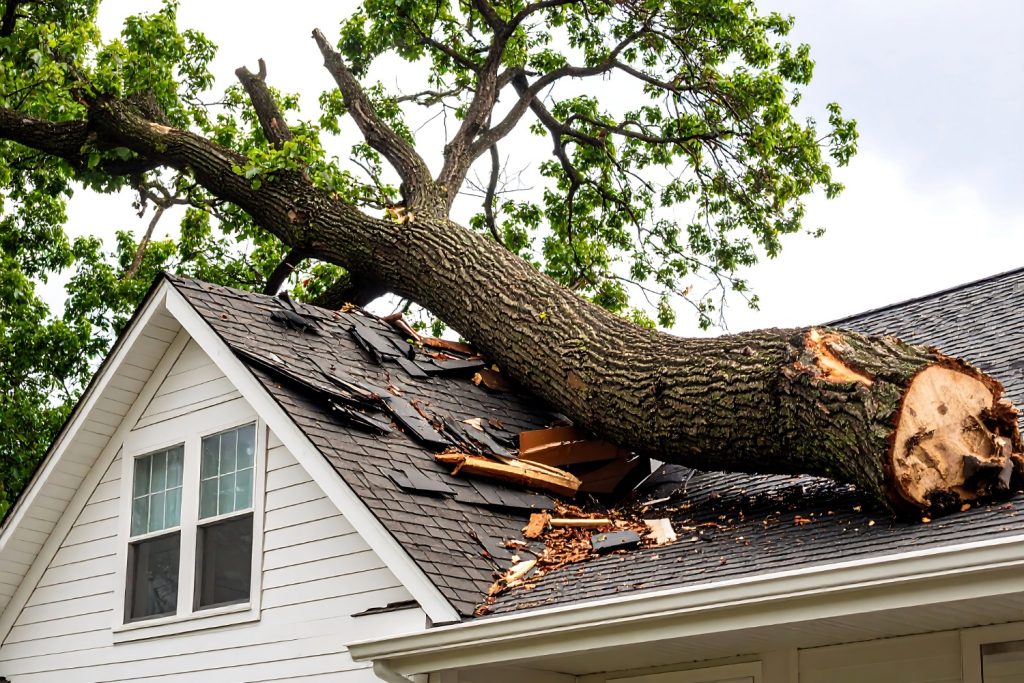
Work your way around the exterior systematically. Check siding and trim for wind impact or loose panels, windows and doors for cracked glass or warped frames, and any outbuildings or structures on the property. Photograph each area before you touch anything. The roof and drainage system are where secondary water damage originates, sealing those entry points first limits how far interior damage spreads. Breaking the exterior inspection into two passes, one for the building envelope and one for outbuildings and structures, keeps the process manageable and reduces the chance of missing something under time pressure.
For Big Rideau Lake owners especially, waterfront structures take a hard hit from storm surge, wind, and debris. Check dock boards for shifting, loose hardware, and structural movement. Look for damaged railings and any vessel lines that snapped or came loose. Damage to floating docks or boat lifts is often covered differently under cottage insurance policies, so documentation here is particularly important. Get those structures photographed as soon as it is safe to do so, prompt documentation gives your insurer the clearest picture of what the storm actually caused.
Interior checks come after the exterior sweep. Scan ceilings and upper wall lines for staining, bulging drywall, or active moisture. Check the basement or crawl space for pooling water, shifted footings, or new efflorescence on block walls. If mechanical or utility areas show any sign of water contact near electrical panels or heating equipment, note it immediately and do not operate those systems until a qualified contractor has assessed them. Water near electrical is a non-negotiable stop point.
How to Perform a Storm Check on a Vacation Property for Your Insurance Claim
Canadian insurers want the claim filed promptly, and they need a specific package of documentation. That package includes wide-shot and close-up photos of all visible damage, a written inventory of damaged or destroyed items with estimated values, proof of ownership or purchase records where available, and receipts for any emergency mitigation work you paid for right after the storm. Standard cottage policies in Canada generally cover wind, storm, hail, and ice damage. Separate riders typically apply to water damage, flooding, and specific waterfront structures, so knowing what your policy covers before a storm happens saves a difficult conversation afterward. For a practical walkthrough of the claims process, see how to file a home insurance claim with supporting documentation.
A timestamped photo report is worth more than any verbal description to an adjuster. During a major storm event, adjusters are often managing many files simultaneously. A clear, organized photo report, with images taken within hours of the storm, will strengthen your claim significantly. This is one of the most direct financial benefits of having a professional caretaking service on retainer. Good photo reports after every property visit should include date, time, and specific location context, creating the kind of credible documentation an insurer needs to move your claim forward efficiently.
Keep copies of all documentation in cloud storage accessible from wherever you are. Before-and-after context helps: earlier photos of the property showing its pre-storm condition reduce disputes about the extent of damage. For resources on documentation best practices and ongoing tips, check our blog. Keep damaged items in place until your insurer confirms you can remove or repair them, unless they pose an immediate safety hazard. Record the date, time, weather conditions, and every action you took in the first 24 hours. That timeline matters during the claims process.
Building a Post-Storm Response Plan Before You Need It
Remote monitoring devices are useful, but a reliable local response plan requires a human being. Every remote cottage owner needs two things in place before storm season. First, a short emergency contact list, a trusted neighbor, a caretaking service, and a preferred contractor. Second, a pre-established check-in protocol that activates automatically after a significant weather event. The key word is automatically. A caretaking service on an annual retainer plan handles outreach and response on your behalf, so the process starts without you having to initiate it from a distance.
For owners who want an additional technology layer, a strong setup for a Canadian property combines a cellular environmental monitor for temperature, humidity, and power-loss alerts, a water and leak sensor near the water heater and sump pump, and at least one exterior camera with battery backup. CabinPulse is built specifically for remote properties and works without Wi-Fi, which makes it more resilient than most Wi-Fi-dependent alternatives during a grid outage. Frame these devices as early-warning tools. They tell you something might be wrong. A physical inspection is still the only way to know what is wrong.
Remediation costs from an undetected leak can run substantially higher than a full year of routine caretaking fees, and a late or poorly documented insurance claim can cost you even more. Cottage Concierge's annual retainer plans give absentee Big Rideau Lake owners rapid storm response, professional documentation, and contractor coordination without requiring a long round trip every time a cell blows through. Plans are structured around the level of coverage you need, and every tier includes priority emergency response and detailed photo reports after each visit. Current pricing and plan details are available directly from Cottage Concierge.
The Owners Who Come Out Ahead Planned Ahead
Being hours away from your cottage when a storm hits doesn't mean being helpless. It means having the right plan, the right tools, and trusted local contacts already in place before the season starts. The practical steps here, monitoring Canadian alerts correctly, having someone on the ground within hours of the storm clearing, and completing a thorough vacation property storm check from the first walkthrough, are all achievable before the next storm season begins.
A professional storm check for your vacation property, handled by someone who knows your property, knows the local contractors, and can deliver a photo report to your inbox the same day, is the one thing no camera app fully replaces. If you're not sure whether your current setup gives you that level of coverage, reach out to Cottage Concierge to discuss what your property needs. It's a straightforward conversation, nothing more than a clear picture of what a caretaking plan would look like going into next season.